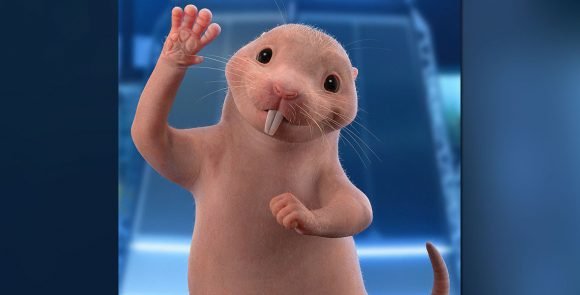
The magic of animation isn't just in the vibrant colors or fluid movements; it's in the life breathed into each character. When we talk about Voice Acting & Animation: Bringing Rufus to Life, we're diving into the specialized art form that transforms static drawings or digital models into beings that laugh, cry, and inspire. It’s the invisible hand that shapes personality, conveys emotion, and connects deeply with audiences, turning a character like Rufus from concept into a cherished memory.
At a Glance: Understanding the Power of Voice Acting
- More than Just a Voice: Voice acting is a specialized art requiring nuanced acting skills, not just a "good voice."
- Crucial for Animation: It brings animated characters to life, making them believable and relatable.
- Vocal-Only Performance: Unlike live-action, voice actors rely solely on tone, pitch, and delivery to convey emotion and identity.
- Deep Character Work: Effective voice acting involves extensive script analysis and character development, understanding backstory and motivation.
- Technical & Artistic Skill: Requires vocal techniques, collaboration with directors, and mastery of recording equipment and software.
- Growing Demand: The industry is expanding across films, TV, games, streaming, and international markets.
The Unseen Architect: Why Voice Acting Is Animation's Soul
Imagine watching an animated film where characters move but never speak. Or worse, speak in monotone, devoid of personality. It's jarring, right? Voice acting is the conduit through which animated characters truly emerge from the screen. It’s what makes a commanding Mufasa stir our souls or an energetic Genie fill us with laughter. Without it, Rufus would merely be a series of frames; with it, he becomes a friend, a foe, or a hero.
This specialized art form is fundamental because it:
- Injects Personality: A voice actor uses tone, pitch, and rhythm to give Rufus a distinct character—is he gruff, playful, timid, or booming?
- Conveys Emotion: Joy, sorrow, anger, fear—all are communicated through vocal inflection, transcending the visual medium alone.
- Builds Believability: A well-performed voice grounds the character in reality, making Rufus feel authentic, even if he’s a fantastical creature.
- Enhances Storytelling: The voice guides the narrative, emphasizing key moments and shaping the audience's emotional journey alongside Rufus.
- Creates Audience Connection: We fall in love with animated characters largely because of their voices. They stick with us long after the credits roll.
Unlike live-action actors who have their entire physicality to express themselves, voice actors operate in a world of pure sound. Their body language is translated through their voice, requiring a mastery of vocal range and emotional recall that is truly unique. This is why casting isn't just about finding a recognizable celebrity voice (though that can attract an audience), but about finding a skilled actor trained in inflection, timing, and embodying a character through sound alone.
The Journey to Bring Rufus to Life: A Voice Actor's Blueprint
Bringing a character like Rufus to life isn't a one-and-done recording session; it’s a meticulous, multi-stage process that blends artistic skill with technical precision.
1. The Audition Gauntlet: Making Your First Impression Count
Before Rufus even has a voice, he needs the voice. This starts with the audition. For a voice actor, preparation is paramount.
- Deep Project Dive: You’ll research the project's style, tone, and target audience. Is it a whimsical children’s show, a gritty anime, or a dramatic video game? Understanding the landscape helps you tailor your approach.
- Script Immersion: Reading the script multiple times isn't enough; you need to absorb it. Understand Rufus's context, his lines, and how he interacts with others.
- Character Conception: Even before the director weighs in, you start building Rufus's backstory, personality quirks, and motivations. Who is Rufus, truly? What makes him tick?
- Practice, Practice, Practice: Rehearse the audition lines, experimenting with different deliveries. Record yourself, listen back critically, and refine.
- Technical Readiness: Ensure your recording equipment (a quality microphone, audio interface, and clean recording space) is pristine. A great performance with poor audio won't get you far.
2. Warming Up the Pipes & Mind: The Pre-Recording Ritual
Just like an athlete, a voice actor needs to prepare their instrument—the voice—and their mind.
- Vocal Warm-Ups: These are non-negotiable. Gentle hums, tongue twisters, breathing exercises, and range exploration protect your voice and ensure flexibility.
- Stepping Into Character: This is where visualization comes in. Close your eyes, imagine the scene, picture Rufus's environment, and feel what he's feeling. Fully embody him before you even speak a line.
- Focused Breathing: Deep, diaphragmatic breaths manage breath support, reduce anxiety, and ensure a steady, consistent vocal output.
3. Cracking the Script's Code: Analyzing Rufus's World
The script is your roadmap. Understanding its nuances is critical for delivering an authentic performance.
- Multiple Readings: Read the script for plot, then for character, then for subtext. What's not being said? What are Rufus's unspoken desires?
- Arc Identification: Understand Rufus's emotional journey throughout the story. Does he grow? Change? What are his pivotal moments?
- Trait & Motivation Mapping: Pinpoint Rufus’s key personality traits. What drives his actions? Is he courageous because he’s loyal, or reckless because he’s impulsive?
- World Building Research: If Rufus lives in a fantastical realm or a specific historical period, research that world. How would his environment influence his speech patterns or outlook?
4. Building Rufus from the Inside Out: Character Deep Dive
True voice acting goes beyond merely reading lines; it's about becoming the character.
- Detailed History: Even if the script doesn't explicitly state it, craft a brief internal history for Rufus. Where did he come from? What are his fondest memories? His greatest fears?
- Strengths & Weaknesses: Define Rufus's virtues and flaws. A multi-dimensional character is always more compelling.
- Relationship Dynamics: How does Rufus relate to other characters? Does he revere one, resent another, or feel protective of a third? These relationships heavily influence vocal delivery. For example, considering the unique vocal identity of even the most unusual animated companions, you might think about how specific choices bring out the personality of a character, such as in the comprehensive guide on All about Kim Possible’s rat. Every character, no matter how small or unique, needs a voice that resonates.
5. The Vocal Tool Kit: Shaping Rufus's Sound
This is where technical vocal prowess meets artistic expression.
- Accents & Dialects: If Rufus has a specific background, experimenting with accents can add authenticity.
- Vocal Range: Explore different pitches (highs, lows) and how they convey emotion or age. A deep growl for anger, a high squeak for fear.
- Pacing & Rhythm: How fast or slow does Rufus speak? Does he stutter when nervous, or speak with measured confidence? Pacing is crucial for comedic timing or dramatic effect.
- Tone & Inflection: These are the subtle shifts that differentiate sarcasm from sincerity, or curiosity from suspicion. Mastering inflection makes Rufus’s words truly sing.
6. The Director's Chair: Collaboration is Key
Voice acting is rarely a solo endeavor. You’re part of a team, and the director is your guide.
- Embrace the Vision: The director has an overarching vision for Rufus and the entire project. Your job is to understand and align with that vision.
- Open to Direction: Be flexible. A director might ask you to try a line five different ways. Your willingness to experiment and adapt is a huge asset.
- Effective Communication: Don't be afraid to ask questions if something is unclear. Providing feedback or asking for clarification ensures you're on the same page.
7. Behind the Mic: Technical Mastery for a Flawless Performance
Even the most brilliant vocal performance can be ruined by poor technical execution.
- Microphone Technique: Understand how to work the mic. Where should you stand? How far away? How does gain affect your sound? Avoid plosives (harsh 'p' and 'b' sounds) and sibilance (hissing 's' sounds).
- Software Familiarity: Be comfortable with common recording software like Pro Tools, Logic Pro, or Audacity. You might need to punch in lines or do basic edits.
- Audio Quality: Ensure your recording space is quiet and acoustically treated to prevent echoes or background noise. Clean, clear audio is non-negotiable for professional work.
8. The Never-Ending Practice Loop: Sharpening Your Edge
Voice acting is a craft that demands continuous refinement.
- Emotional Recall Exercises: Practice accessing and expressing a wide range of emotions on demand.
- Vocal Improvisation: Engage in spontaneous character work to build agility and quick thinking.
- Ongoing Character Development: Continuously explore new characters, push your vocal boundaries, and hone your ability to embody distinct personalities.
Common Misconceptions & FAQs About Voice Acting
Aspiring voice actors often have questions or hold certain beliefs that need clarifying.
"Isn't voice acting just for people with really unique or 'cool' voices?"
Absolutely not. While distinctive voices can be memorable, voice acting is acting. It's about conveying emotion, character, and story through your voice, regardless of its natural timbre. A versatile actor who can adapt their voice to many roles is often more sought after than someone with a singular, "cool" voice. Versatility, emotional range, and acting chops trump a naturally "pretty" voice any day.
"Do I need to be a celebrity to get good voice acting roles?"
While celebrity voices can attract initial audiences to big-budget projects, the vast majority of voice acting work goes to skilled, professional voice actors. Training, talent, and a strong demo reel are far more critical than fame. Directors prioritize authenticity and a strong performance. Many iconic animated characters are voiced by actors you might not recognize by name but whose vocal work is legendary.
"How do I even get started in voice acting?"
- Get Training: Take acting classes, specifically voice acting workshops. Learn about vocal techniques, script analysis, and character development.
- Practice Relentlessly: Read aloud, record yourself, get feedback.
- Build a Home Studio: Start with basic, quality equipment (microphone, interface, software).
- Create a Demo Reel: A professionally produced demo reel showcasing your range and best performances is your calling card.
- Network: Connect with other voice actors, coaches, and industry professionals.
- Seek Representation: Once you have a strong demo, consider finding an agent.
The Growing Demand: A Golden Age for Voice Actors
The landscape for voice actors has never been more vibrant. The demand for talented professionals is soaring, driven by several factors:
- Explosion of Animation: Beyond traditional films and TV shows, animated content is everywhere—shorts, web series, explainer videos, and more.
- Video Game Industry Boom: Gaming is a multi-billion-dollar industry, and complex narratives require extensive voice work for characters, NPCs, and narration.
- Streaming Platform Proliferation: Services like Netflix, Disney+, and HBO Max constantly commission new animated series and films, creating a massive appetite for voice talent.
- International Markets & Localization: Global content means more dubbing and localization work, requiring voice actors who can not only translate but also capture the original emotional intent in different languages.
This growth means more opportunities for diverse voices and styles, pushing the boundaries of what animated characters can be and sound like.
Your Next Steps: Ready to Voice Your World?
Bringing a character like Rufus to life is a challenging yet incredibly rewarding endeavor. It demands dedication, artistic flair, and technical skill. If you feel the call of the microphone, here's how to translate your passion into action:
- Invest in Yourself: Prioritize training. Seek out experienced coaches and workshops focused on animation voice acting. Learn the fundamentals of acting, vocal health, and microphone technique.
- Build Your Toolbox: Start assembling a basic but high-quality home recording setup. A decent condenser microphone, an audio interface, and digital audio workstation (DAW) software are your initial essentials.
- Create Your Calling Card: Work with a professional producer to create a demo reel that showcases your versatility and range for animated characters. This is your primary marketing tool.
- Practice the Craft Daily: Read scripts aloud, narrate your day, improvise characters. The more you use your voice intentionally, the stronger and more flexible it becomes.
- Network and Learn: Join online communities, attend industry events (virtually or in person), and learn from those already in the field. Every connection is a potential opportunity or source of invaluable advice.
The world of animation is constantly seeking new voices to tell its stories. With preparation, passion, and persistence, your voice could be the one that gives the next Rufus his unforgettable spark. The stage is set; are you ready to lend your voice?